
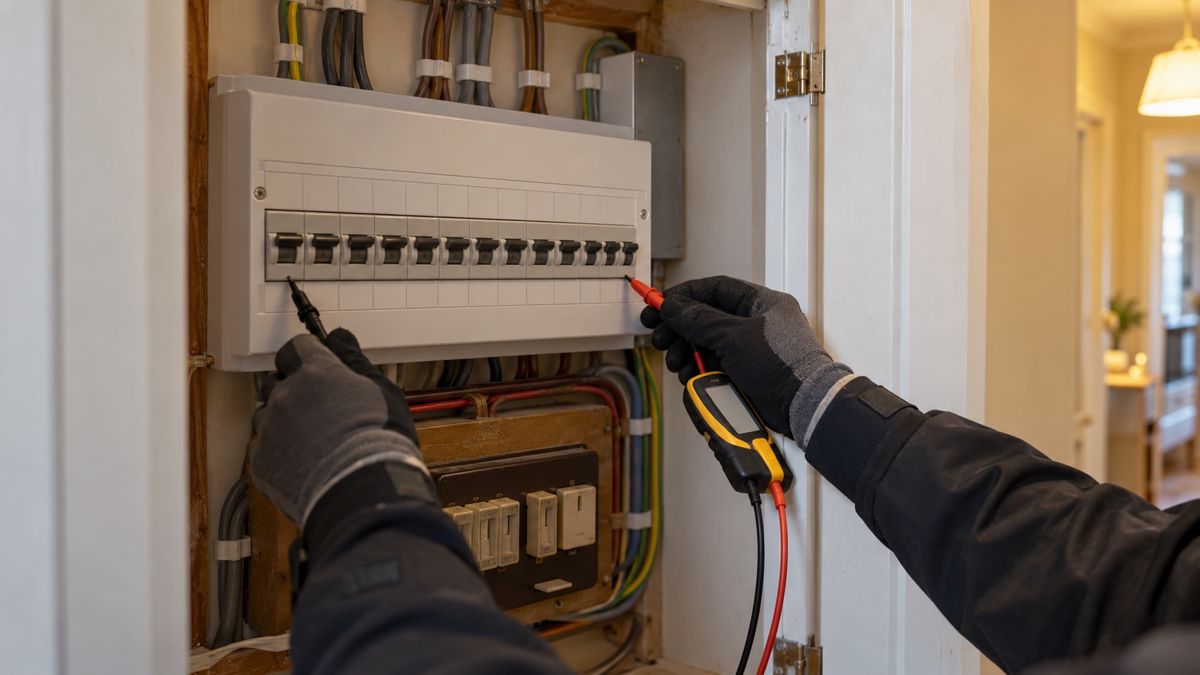
A consumer unit upgrade in a typical Reading house often falls somewhere between £450 and £900, with larger or more awkward jobs costing more. That is a rough market guide, not a quote from any one business. The final figure depends on the house, the old wiring and what the new unit needs to include.
This guide explains what you are paying for, what moves the price, and what is worth asking before anyone starts work. You may know a consumer unit as the fuse box. In the United States the same thing is called a panel, which is why some people search for a panel upgrade.
What is a consumer unit and why do people replace it?
The consumer unit is the box that takes power from your meter and splits it into circuits for lighting, sockets, the cooker and so on. Each circuit has a protective device that switches off if something goes wrong. Newer units also include RCD protection, which cuts the power very quickly if electricity is flowing where it should not, for example through a person.
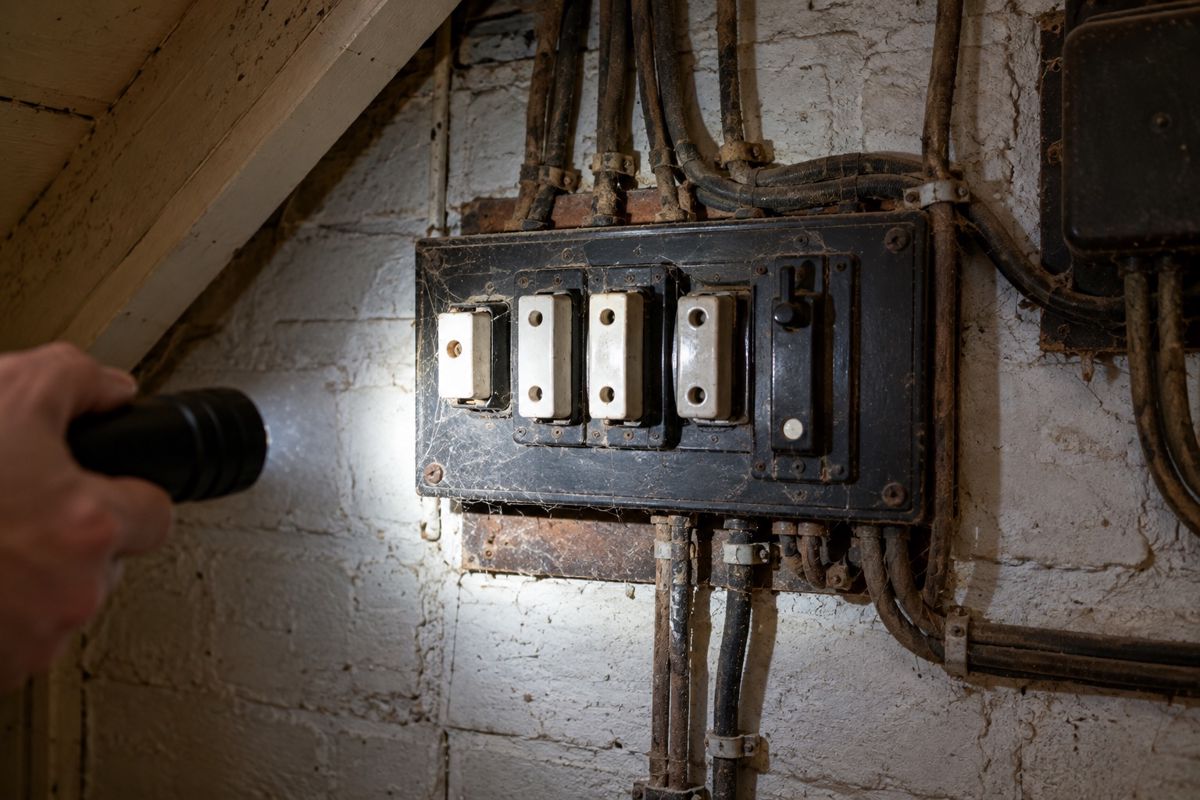
Many older Reading homes still have a fuse box with rewirable fuses, or a unit from before RCDs became standard. Those boxes may still work day to day, but they give much less protection. People replace them for safety, before a rewire, when adding an EV charger, or because a landlord inspection report said it was needed.
What does a Reading home often need?
Reading has a wide mix of homes, and that shapes the job. Victorian terraces near the centre often have an old fuse board in a cupboard under the stairs, with wiring that has been altered several times. Converted houses split into flats may have meters and units in shared cupboards, which brings in access and permission questions.
1930s semis in areas like Tilehurst and Caversham are often partly rewired, so the new unit may need to serve a mix of old and newer circuits. Estates from the 1960s onwards and newer developments are more likely to have an acceptable installation that simply needs a modern unit with better protection.
Rented homes are a big part of the local market because of the university and commuters. If you are a landlord, remember that rented homes in England need an electrical inspection report at intervals of no more than five years. If the report says the unit is unsatisfactory, repairs have to be done within a set period, so check the latest rules rather than leaving it to the last minute.
How much does a consumer unit upgrade usually cost?
Prices in the South East tend to sit towards the middle or upper end of national figures. As a rough guide only:
- A straightforward swap in an average house or flat with a handful of circuits: often about £450 to £900.
- A larger house, many circuits, or extra protection added: often about £900 to £1,500.
- A unit that needs extra remedial work first, such as new earthing or bonding, repairs to old cabling or moving the box: more again, and best priced after a visit.
Be wary of a price quoted over the phone with no questions asked. A sensible quote starts with how many circuits you have and where the unit sits.
What makes the price go up or down?
The number of circuits
More circuits mean more protective devices, more labour and a bigger unit. A one-bedroom flat is a smaller job than a four-bedroom house with an extension and a garden office.
The type of protection
Individual RCBOs protect each circuit separately, so one fault does not drop the whole house. They cost more than a basic split-load unit, but many people find them more convenient. Surge protection and arc fault detection may also be recommended in some homes, and each adds to the cost.
The state of the existing installation
If the earthing and bonding are missing or poor, or the cables going into the old box are brittle, they need attention before a new unit goes in. Testing the circuits can also show faults that must be fixed. This is the most common reason a final bill moves away from the first idea.
Access and finishing
A unit in an open hallway is quicker than one tucked behind a cupboard full of coats, in a loft, or set in a plastered recess. Making good the wall afterwards is sometimes extra, so ask whether it is included.
Do you need Part P paperwork and an inspection report?
Replacing a consumer unit is notifiable work under the Building Regulations in England, usually described as Part P. In practice that means the work must be notified to Building Control, either through a registered competent person scheme or directly to the council. You should receive a certificate when the job is done. Keep it with your house papers, because buyers, solicitors and insurers sometimes ask for it.
It is sensible to ask any electrician which registration scheme they are with and to check that yourself. We do not claim registration on anyone's behalf here, so please check any firm you are considering, including us.
An inspection report, often called an EICR, is a separate document. It records the condition of the existing wiring. It is useful before buying, before letting a home, or when you do not know what is behind the walls. Some people have one done first, then use the findings to scope the consumer unit work properly.
How long does it take, and what should you ask before saying yes?
Many consumer unit swaps take most of a day. The power is off for part of that time, so plan around fridges, broadband and anyone working from home. Jobs with remedial work, tricky access or a rewire alongside take longer.
Before you agree to a quote, it helps to ask:
- Is the price fixed, and what is not included?
- Which type of protection is being fitted, and why?
- Will the circuits be tested, and will I get the paperwork?
- Who notifies Building Control, and how?
- What happens if you find a fault behind the old box?
What is the next step?
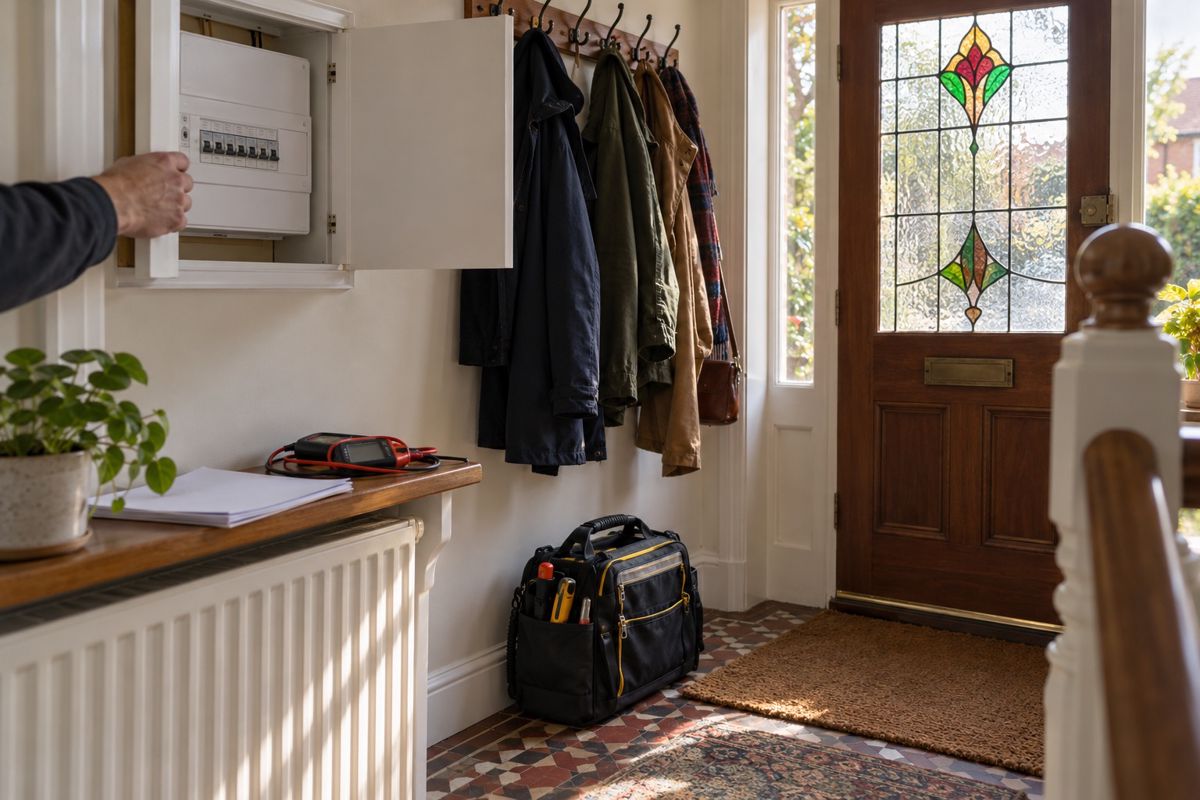
If you are unsure whether your fuse box is due for replacement, start by asking for an inspection and a written quote. Our page on consumer unit and panel upgrades in Reading explains the job step by step, and you can see the other work we cover on the home page. Get two or three written quotes if you can, and compare what is included, not only the headline figure.